
How Far Along for Gender Reveal Ultrasound: 18 Weeks | 2026
Plan for around 18 weeks of pregnancy if you want to learn your baby's sex by ultrasound; the routine anatomy scan usually takes place between 18 and 22 weeks. An earlier scan can sometimes show the genital anatomy, but being far enough along does not guarantee a clear view. For your 2026 reveal plans, confirm the result before setting a celebration date, and keep elective imaging separate from your prenatal medical care.
TL;DR
How far along for gender reveal ultrasound? Plan around 18 weeks, with no guarantee of a clear view.
The routine anatomy scan usually occurs between 18 and 22 weeks and assesses fetal development, not just sex.
The Ultrasound Concierge provides private pregnancy ultrasound services for patients in Keller and Willow Park, Texas.
A gender reveal ultrasound depends on fetal position and visible anatomy; a blood test uses a different method.
How far along do you need to be for a gender reveal ultrasound?
Around 18 weeks is a practical planning point, not a guaranteed minimum. The American College of Obstetricians and Gynecologists describes the standard second-trimester ultrasound window as 18–22 weeks. That examination checks fetal anatomy; identifying sex is secondary and depends on what the sonographer can see.
For local appointment information, The Ultrasound Concierge provides diagnostic and elective pregnancy imaging in Keller and Willow Park. Confirm the visit's purpose and gestational-age requirements before booking rather than assuming every pregnancy ultrasound includes a sex determination.
Routine anatomy ultrasound
Best for: Assessing fetal anatomy during prenatal care
What it can tell you: Examines fetal structures and can show genital anatomy when visible
Main limitation: Sex identification is not the examination's primary purpose
Elective gender reveal ultrasound
Best for: Families seeking a separate reveal experience
What it can tell you: Uses ultrasound images to assess visible genital anatomy
Main limitation: Does not replace the anatomy scan or guarantee a result
Prenatal blood-based sex testing
Best for: People considering a non-imaging route
What it can tell you: Looks for sex-related genetic information in a blood sample
Main limitation: Eligibility and interpretation depend on the particular test
These options answer different questions. Choose the medical examination your prenatal clinician recommends first, then discuss whether a separate reveal appointment is appropriate.
Why this matters
A reveal date creates a deadline, but your baby's position does not follow that schedule. Booking before anatomy is clearly visible can leave you with an uncertain answer instead of a result you feel comfortable sharing.
For planning in 2026, separate three decisions: when you need medical imaging, whether you want to learn fetal sex, and when you want to tell other people. Keeping those decisions separate protects your prenatal care and gives you room to change celebration plans without treating an inconclusive image as bad news.
Ultrasound evaluates physical anatomy, not a child's future gender identity. Although families commonly say gender reveal, the information being assessed is fetal sex.
Before 18 weeks: treat an early prediction cautiously
Earlier ultrasound images can suggest fetal sex, but a suggestion is not the same as a clearly documented finding. In early pregnancy, the structures being assessed are small, and the viewing angle matters.
Do not turn an uncertain early prediction into a confirmed announcement. Ask whether the sonographer actually visualized the relevant anatomy or offered an interpretation based on an early image. That distinction matters more than an enthusiastic explanation or a detailed-looking keepsake picture.
If you are earlier than the provider's accepted window, ask when the examination becomes appropriate. Do not use a minimum booking age advertised elsewhere as proof that your own scan will produce a result.
Your prenatal clinician's dating estimate should guide this conversation. A date calculated from a calendar app can differ from the gestational age recorded in your medical chart, especially when menstrual cycles are irregular or the pregnancy has been dated by ultrasound.
18–22 weeks: the routine anatomy-scan window
The routine anatomy scan generally occurs between 18 and 22 weeks. ACOG's patient guidance identifies this window for the standard second-trimester examination, which evaluates fetal development and structures rather than serving only as a reveal appointment.
At this visit, tell the sonographer whether you want to know fetal sex. If you prefer a surprise, say so before scanning begins and ask how the result can be handled without being spoken aloud. Do not assume every office uses envelopes, messages, or another reveal method.
The anatomy scan also has limits. A baby's position can prevent a clear view of genital anatomy, just as it can prevent complete views of other structures. Your clinician decides whether additional medical imaging is needed; an incomplete view is not, by itself, a diagnosis.
If your 2026 anatomy appointment falls near a planned celebration, leave flexibility in the celebration date. A medically useful scan can still end without an answer to the reveal question.
After 22 weeks: later does not guarantee a clear view
Being past 22 weeks does not make sex identification automatic. The relevant anatomy still needs to be visible, and fetal position can obstruct the view at a later appointment too.
If you have already had an anatomy scan without learning fetal sex, ask your prenatal clinician what information was documented. You might already have an answer in the report, or the examination might not have included a clear assessment of genital anatomy.
Do not schedule repeated ultrasound sessions solely on the assumption that each additional visit will solve the problem. The U.S. Food and Drug Administration discourages ultrasound performed only to create keepsake images or videos; discuss the purpose and appropriateness of any additional scan with your prenatal clinician.
Why gender reveal ultrasound timing varies
Gestational age is only part of the answer. The quality of the view and the purpose of the examination also affect whether a sonographer can make a clear assessment.
Pregnancy dating: The gestational age in your prenatal record determines how far along you are. Use that estimate when discussing eligibility.
Fetal position: Legs, the umbilical cord, or the baby's orientation can obscure the area the sonographer needs to see.
Image clarity: Ultrasound needs an adequate view of the relevant anatomy. A recognizable face or heartbeat does not establish fetal sex.
Examination purpose: A diagnostic examination prioritizes the clinical question. A reveal request does not change the medical priorities of the scan.
Multiple pregnancy: Each fetus needs a separate assessment. Identifying one baby's sex does not establish the other's.
These factors explain why a provider cannot promise a result from gestational age alone. For a 2026 booking, ask about the provider's process for an inconclusive view rather than requesting an unsupported accuracy guarantee.
How should you plan a reveal appointment?
Start with your prenatal schedule, not your party calendar. A clear booking conversation helps you distinguish a medical examination from an elective experience and prevents assumptions about what the visit includes.
Confirm dating. Use the gestational age documented by your prenatal clinician. Give the provider your expected gestational age on the appointment date, not just how far along you are today.
Discuss purpose. Explain whether you need diagnostic imaging, want to learn fetal sex, or are asking about an elective family experience. Ask your prenatal clinician whether additional imaging is appropriate.
Check eligibility. Ask the provider when they perform the requested examination and whether a referral or other documentation is needed. Requirements depend on the service.
Set privacy. Say who should receive the result and whether you want it kept from you during the visit. Confirm the communication method instead of assuming a reveal arrangement exists.
Leave flexibility. Decide how you will handle an inconclusive view before scheduling a celebration. Ask about the provider's policy without assuming another scan is included.
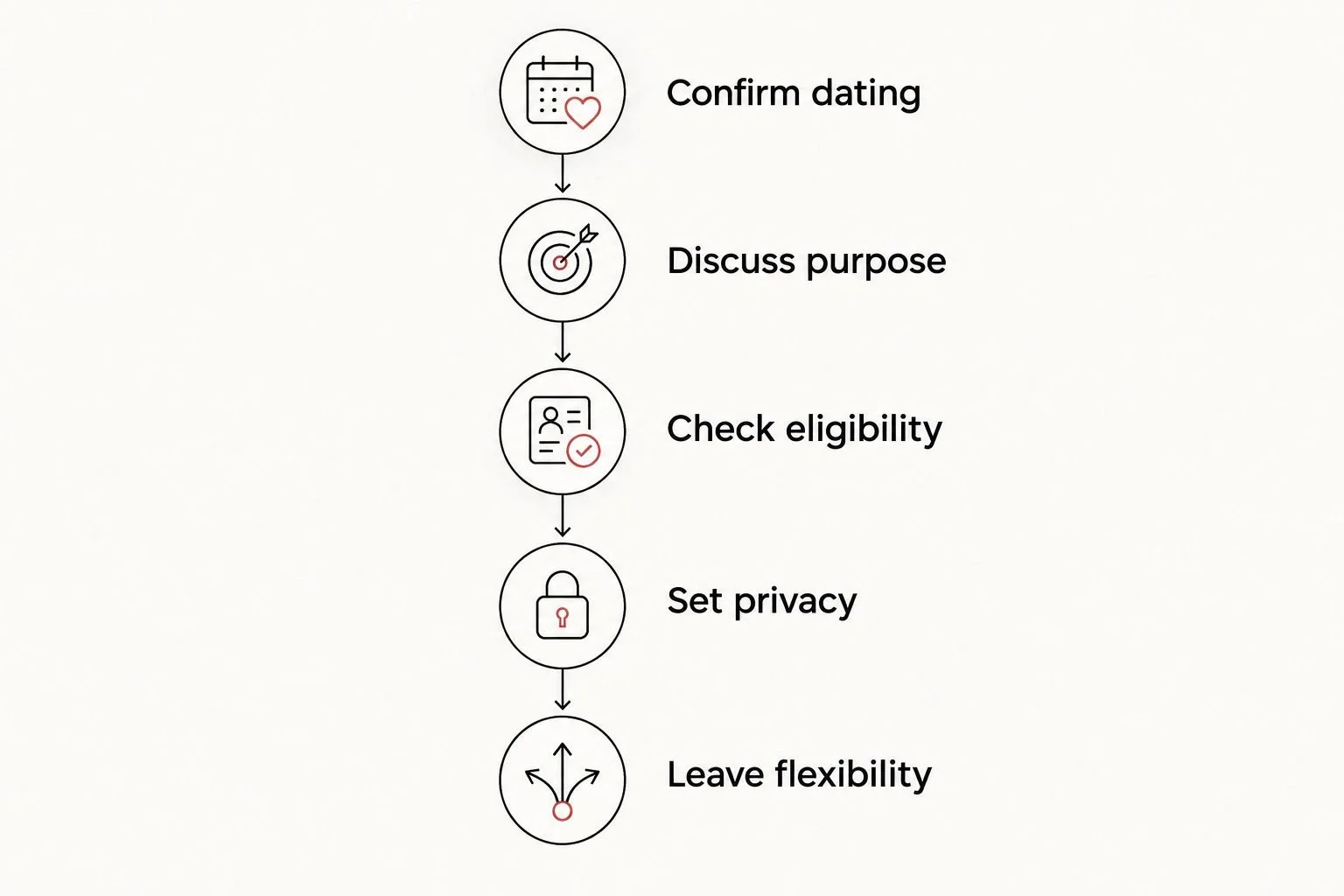
Confirm the examination's purpose before making plans that depend on receiving a result.
The Ultrasound Concierge is best suited to Keller and Willow Park patients seeking a private pregnancy ultrasound setting. Its stated services include diagnostic and elective imaging; the private setting does not remove the clinical limits of ultrasound or replace your prenatal team's care.
For a 2026 appointment, ask The Ultrasound Concierge which service matches your goal and what happens if fetal sex cannot be determined. A specific answer about the examination is more useful than assuming a booking guarantees a reveal.
Do you need a 3D or 4D ultrasound to find out?
No. Standard two-dimensional ultrasound can show genital anatomy when the view is adequate. Three-dimensional imaging displays volume, while four-dimensional imaging shows moving three-dimensional images; neither eliminates the need for a clear view of the relevant anatomy.
Choose the examination based on its purpose, not the most elaborate image label. A detailed face image does not prove that fetal sex was assessed, and a basic-looking medical image can contain the information the sonographer needs.
The benefit of additional image formats is the way they display visible anatomy. Their limitation is that they cannot reveal anatomy hidden by an unfavorable position simply because the format is different. Ask what was actually seen rather than judging confidence from the appearance of the picture.
Can a blood test tell you before an ultrasound?
Blood-based testing can provide fetal-sex information before the routine 18–22-week anatomy scan, depending on the test. It examines genetic information rather than producing an image of genital anatomy. Clinical prenatal screening and a sex-only test are not interchangeable services.
The benefit is a route that does not depend on the baby's position during an ultrasound. The limitation is that sample collection, test eligibility, and interpretation still matter, and a sex-only result does not assess fetal anatomy.
The Ultrasound Concierge lists SneakPeek Gender Tests among its services. Ask about current eligibility and collection instructions directly; do not apply the timing or interpretation rules of a different prenatal blood test to SneakPeek.
If a blood-test result and an ultrasound assessment disagree, contact your prenatal clinician. Do not resolve the difference by selecting the result you prefer or treating another elective appointment as a substitute for medical interpretation.
What if the baby won't cooperate at the appointment?
An obscured view means the sonographer cannot make a clear assessment from that view; it does not establish a problem with the baby. Ask whether the result is confirmed, uncertain, or not assessable, and keep those categories distinct when sharing the information.
Follow the provider's preparation instructions rather than trying internet tips designed to force fetal movement. Food, drinks, or a particular arrival routine do not create a guarantee that the relevant anatomy will become visible.
For the routine anatomy scan, your prenatal clinician determines whether incomplete medical views require follow-up. For an elective reveal visit, ask the provider about its own process. Neither situation justifies describing an uncertain finding as confirmed.
FAQ
How far along should I be for a gender reveal ultrasound?
Around 18 weeks is a practical planning point, and the routine anatomy scan usually takes place between 18 and 22 weeks. A clear result still depends on visible genital anatomy and fetal position.
Can I find out my baby's sex before 18 weeks?
An ultrasound before 18 weeks can sometimes suggest fetal sex, but an early prediction is not the same as a clear assessment. Ask your prenatal clinician about appropriate timing and distinguish a tentative finding from a confirmed result.
Will my 20-week anatomy scan tell me the baby's sex?
A 20-week anatomy scan can show fetal sex if the relevant anatomy is visible, but that is not guaranteed. The examination's main purpose is to assess fetal development and structures.
Is a 3D ultrasound better for finding out fetal sex?
A 3D ultrasound is not required to assess fetal sex; standard two-dimensional ultrasound can show the relevant anatomy. Image format does not overcome a view blocked by fetal position.
Is a gender reveal ultrasound the same as an anatomy scan?
A gender reveal ultrasound is not the same as a diagnostic anatomy scan. An elective reveal visit does not replace the examination recommended by your prenatal clinician.
Can an ultrasound tell my baby's future gender identity?
Ultrasound cannot determine a child's future gender identity. A gender reveal ultrasound assesses visible anatomy associated with fetal sex.
Does The Ultrasound Concierge offer pregnancy ultrasound?
The Ultrasound Concierge provides diagnostic and elective pregnancy ultrasound services for patients in Keller and Willow Park, Texas. Confirm the appropriate service, gestational-age requirements, and result-sharing arrangements directly before booking.
One last thing
Ask for the certainty of the finding, not just the result. Before sharing an announcement, ask: Was the relevant anatomy clearly seen, or is this a prediction? That question gives you more useful information than asking whether the baby looked like a boy or a girl.
Keep medical findings and celebration plans on separate tracks. An inconclusive reveal can wait; questions about fetal development, unexpected findings, or concerning symptoms belong with your prenatal clinician.