
Yes, you can generally eat and drink before a routine 3D/4D pregnancy ultrasound; fasting is not usually required. Eat your usual meals and drink water normally unless your imaging provider gives you different instructions. A full-bladder requirement, a combined diagnostic examination, or a medical restriction can change how you should prepare.
TL;DR
Can you eat or drink before a 3D/4D ultrasound? Generally yes; follow your appointment’s specific preparation instructions.
Normal meals and water are usually appropriate; sugary drinks do not guarantee clearer ultrasound images.
Full-bladder instructions depend on the examination, not simply whether the images are 3D or 4D.
The Ultrasound Concierge offers private pregnancy ultrasound services for patients in Keller and Willow Park, Texas.
Why this matters
Skipping food unnecessarily can make an appointment uncomfortable, especially if you already have pregnancy-related nausea. Drinking extra water without knowing whether your bladder needs to be full can leave you uncomfortable, too. The right preparation comes from the examination you booked, not an online trick for getting the baby to move.
For your 2026 appointment, check the confirmation message before changing your eating or drinking routine. If it asks for a full bladder, clarify the instructions rather than guessing. The guide to how full your bladder should be for an early ultrasound addresses a different preparation question from whether you need to fast.
Can you eat or drink before a 3D/4D ultrasound?
You can generally eat and drink before a routine 3D/4D pregnancy ultrasound. The imaging format itself does not require an empty stomach. Your provider’s instructions take priority because the same appointment can include examinations with different preparation needs.
The distinction matters: a pregnancy scan, an early pelvic examination, and an abdominal organ scan do not automatically share the same rules. Use this comparison to understand why an instruction from a previous ultrasound might not apply today.
Routine 3D/4D pregnancy ultrasound
Typical food preparation: Eating normally is generally appropriate
Water and bladder considerations: Follow the provider’s bladder instructions
Preparation advantage and limitation: Usually does not require fasting; preparation cannot guarantee a clear facial view
Early transabdominal pelvic ultrasound
Typical food preparation: Fasting is not usually the main requirement
Water and bladder considerations: A full bladder is often requested
Preparation advantage and limitation: A full bladder can improve the viewing window; holding urine can be uncomfortable
Transvaginal pelvic ultrasound
Typical food preparation: Follow the appointment instructions
Water and bladder considerations: The bladder is usually emptied beforehand
Preparation advantage and limitation: Does not usually require bladder filling; instructions differ from an external pelvic scan
Abdominal organ ultrasound
Typical food preparation: Fasting is required for some examinations
Water and bladder considerations: Drinking instructions depend on the organ being assessed
Preparation advantage and limitation: Preparation supports the diagnostic examination; routine pregnancy-scan advice is not interchangeable
This table describes general preparation patterns, not your individual appointment instructions. If your booking includes more than one examination, ask which preparation rules apply to the whole visit. Do not choose the least restrictive instructions yourself.
What should you eat beforehand?
Choose a meal or snack that you normally tolerate during pregnancy. There is no special ultrasound menu. If heavy meals worsen your reflux or nausea, choose something that sits comfortably rather than eating differently to influence the scan.
You do not need to arrive hungry to help the sonographer see your baby. Continue any eating plan recommended by your prenatal clinician, including instructions for gestational diabetes. An elective imaging appointment is not a reason to change that plan.
What should you drink beforehand?
Water is a straightforward choice, but the amount and timing should follow your appointment instructions and any medical restrictions. Normal hydration and deliberately filling your bladder are separate tasks. Ask which one your provider means.
Do not force large amounts of water immediately before leaving home. If the preparation message gives a drinking schedule, follow that schedule; if it does not, ask instead of borrowing a quantity from another studio’s website. Avoid arriving painfully uncomfortable simply because you assumed more water would produce better pictures.
Does a 3D ultrasound need different preparation from a 4D ultrasound?
A 3D ultrasound produces three-dimensional images, while 4D ultrasound shows those images in motion. That difference does not create a separate fasting requirement. Food and drink preparation still depends on the examination and your provider’s protocol.
For your 2026 visit, check whether the appointment is an elective pregnancy session, a diagnostic examination, or a combination. That distinction is more useful than asking whether the equipment produces still images or moving images.
A different imaging format is not a reason to skip meals or drink extra water. If the booking description is unclear, ask the provider to explain what is included before deciding how to prepare.
Why ultrasound preparation varies
Preparation varies because ultrasound appointments answer different questions and use different approaches. These factors determine what you should confirm:
Examination purpose: A pregnancy imaging session and a diagnostic assessment of abdominal organs can require different preparation.
Scanning approach: An external pelvic scan and a transvaginal examination commonly have different bladder instructions.
Pregnancy stage: The usefulness of a full bladder changes as the uterus grows and the examination changes.
Combined examinations: Another scan performed during the same visit can introduce preparation requirements that the pregnancy images alone would not need.
Your medical plan: Diabetes management, fluid restrictions, nausea, and prescribed medications require instructions suited to you.
These factors explain why one person is told to drink water while another is told to empty their bladder. Neither instruction should be copied without checking the examination. Your own written preparation instructions are the starting point.
How should you prepare for your appointment in 2026?
Use a short sequence that separates appointment requirements from general pregnancy advice. The goal is to arrive comfortable and correctly prepared, not to perform a routine designed to make your baby pose.
Confirm the scan. Read the booking description and identify whether the appointment includes diagnostic imaging or another examination alongside the pregnancy session.
Check preparation. Look for instructions about meals, drinks, bladder filling, and medicines. Ask about any instruction that conflicts with your usual medical care.
Follow your plan. Keep your clinician’s dietary and medication guidance in place. Tell the imaging provider about restrictions that affect preparation.
The order matters. Identify the examination before deciding what to eat or drink, then resolve any conflicting instructions before the appointment day.
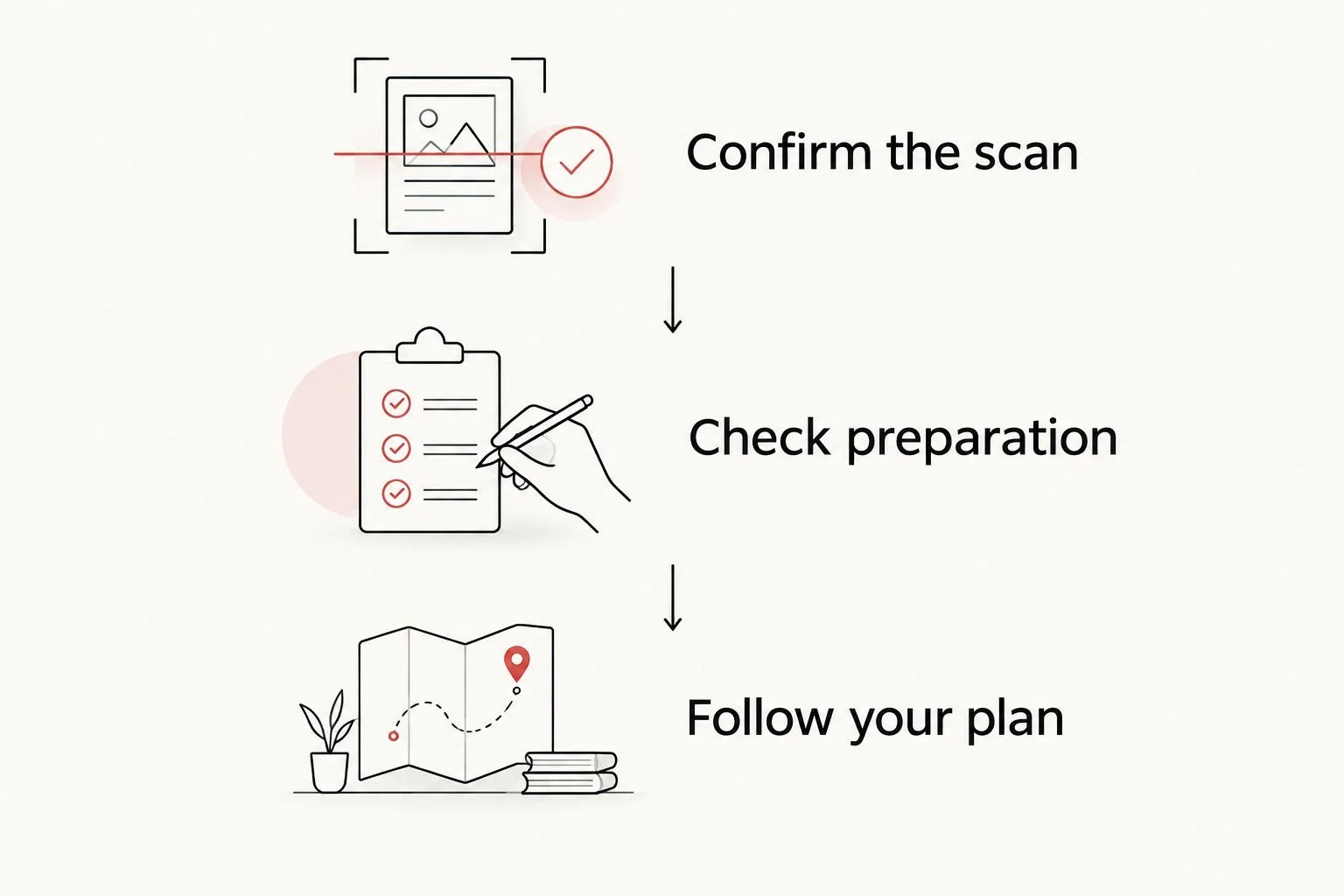
Confirm the examination before changing your eating or drinking routine.
If you receive a general reminder without preparation details, ask directly: Is fasting required, and should my bladder be full or empty? Those questions are more useful than asking how much juice to drink. Keep the response with your appointment confirmation so you do not have to rely on memory.
The Ultrasound Concierge is best suited to patients in Keller and Willow Park seeking private, personalized pregnancy ultrasound services. Its diagnostic and elective imaging services serve different purposes, so confirm which examination you are booking. A calm, private appointment setting does not replace prenatal medical care or change the need for examination-specific instructions.
You can review The Ultrasound Concierge when planning a local appointment. Ask about preparation for the exact service rather than assuming every pregnancy or general-health scan follows the same rules.
Should you drink juice to make the baby move?
You do not need a sugary drink as a routine requirement before a 3D/4D ultrasound. Advice about juice often focuses on encouraging movement, but movement is not the same as a clear facial view. Neither juice nor a snack guarantees that the baby will face the probe.
If you have gestational diabetes, follow your prescribed eating plan rather than adding sugar for the appointment. The same principle applies if a particular drink worsens nausea or reflux: comfort and medical guidance take priority over a suggested photo trick.
Do not use food, cold drinks, or an elective scan to assess reduced fetal movement. If your baby is moving less than usual, contact your maternity care team promptly rather than waiting for an imaging session. A keepsake appointment is not a substitute for assessment of that concern.
Will drinking more water guarantee clearer pictures?
Drinking more water does not guarantee clearer 3D/4D ultrasound pictures. Staying normally hydrated is different from expecting a last-minute drink to change the image. Follow your provider’s instructions without treating extra water as a guaranteed fix.
The baby’s position, hands near the face, the location of the placenta, and the available fluid space around the area being imaged affect what the sonographer can see. Some of these conditions are outside your control. A baby can be active while still facing away from the probe.
For a 2026 appointment, judge preparation by whether you followed the instructions—not whether every image looks like the examples you have seen online. A difficult facial view does not mean you ate the wrong meal or failed to drink enough. Image quality alone also does not establish whether a pregnancy is healthy.
What if you already ate or drank something?
If you ate before a routine pregnancy ultrasound and were not told to fast, eating alone is generally not a reason to cancel. Check the instructions. If they required fasting, contact the imaging provider and explain what you consumed before deciding whether to attend.
Give practical details: what you ate or drank, when you had it, and whether the appointment includes another diagnostic examination. The provider can tell you whether preparation needs to change. Do not conceal it or assume the scan will be unusable.
If you drank water and urgently need the restroom, ask the team what to do rather than holding urine through pain. Bladder preparation should follow the examination’s requirements, not a personal test of endurance. Tell the sonographer if you are uncomfortable.
What if you feel nauseated or take regular medication?
Follow your prenatal clinician’s medication instructions. Do not stop prescribed medicine or change its timing solely because you have an ultrasound appointment. If a medicine needs food and your imaging instructions say to fast, ask the appropriate clinical team to resolve that conflict.
If pregnancy nausea makes meals difficult, explain that when confirming preparation. There is no reason to force a particular snack for routine 3D/4D imaging. If you cannot keep fluids down or feel unwell, contact your maternity care team for advice rather than treating the problem as an appointment-preparation issue.
For your 2026 preparation checklist, put medical restrictions ahead of optional image tips. The safest instruction is the one that accounts for both the examination and your existing care plan.
FAQ
Can I eat breakfast before a 3D/4D ultrasound?
Yes, you can generally eat breakfast before a routine 3D/4D pregnancy ultrasound. Follow any different instructions from your imaging provider, especially if the visit includes another diagnostic examination.
Can I drink water before a 3D/4D ultrasound?
Yes, water is generally appropriate before a routine 3D/4D pregnancy ultrasound. Confirm whether your provider wants normal hydration or a specifically filled bladder, and follow any medical fluid restrictions.
Do I need a full bladder for a 3D/4D ultrasound?
A full bladder is not a universal requirement for every 3D/4D pregnancy ultrasound. The requirement depends on the pregnancy stage, scanning approach, and provider’s protocol.
Should I drink orange juice before my ultrasound?
Orange juice is not a routine requirement for a 3D/4D ultrasound and does not guarantee a clear view of your baby’s face. Keep your prescribed eating plan, particularly if you have gestational diabetes.
What happens if I ate before an ultrasound that required fasting?
Contact the imaging provider if you ate before an examination that required fasting. Explain what you consumed and when, then follow the provider’s instructions about attending or changing the appointment.
Can a private 3D/4D ultrasound replace my prenatal scans?
No, an elective private 3D/4D ultrasound does not replace clinician-directed prenatal examinations. The Ultrasound Concierge offers both diagnostic and elective services; confirm the purpose of your booking and continue your prenatal care.
Can I take my usual medicine before a pregnancy ultrasound?
Do not change prescribed medicine solely because of a pregnancy ultrasound appointment. If fasting instructions conflict with taking medicine or eating with it, ask your clinical team for specific guidance.
One last thing
More movement does not necessarily mean a better facial picture. Your baby’s position matters, and no meal or drink guarantees a particular view. Follow the preparation instructions, stay comfortable, and leave image acquisition to the sonographer rather than trying to control it yourself.